
Residential Architecture in Hamilton: Planning Guide
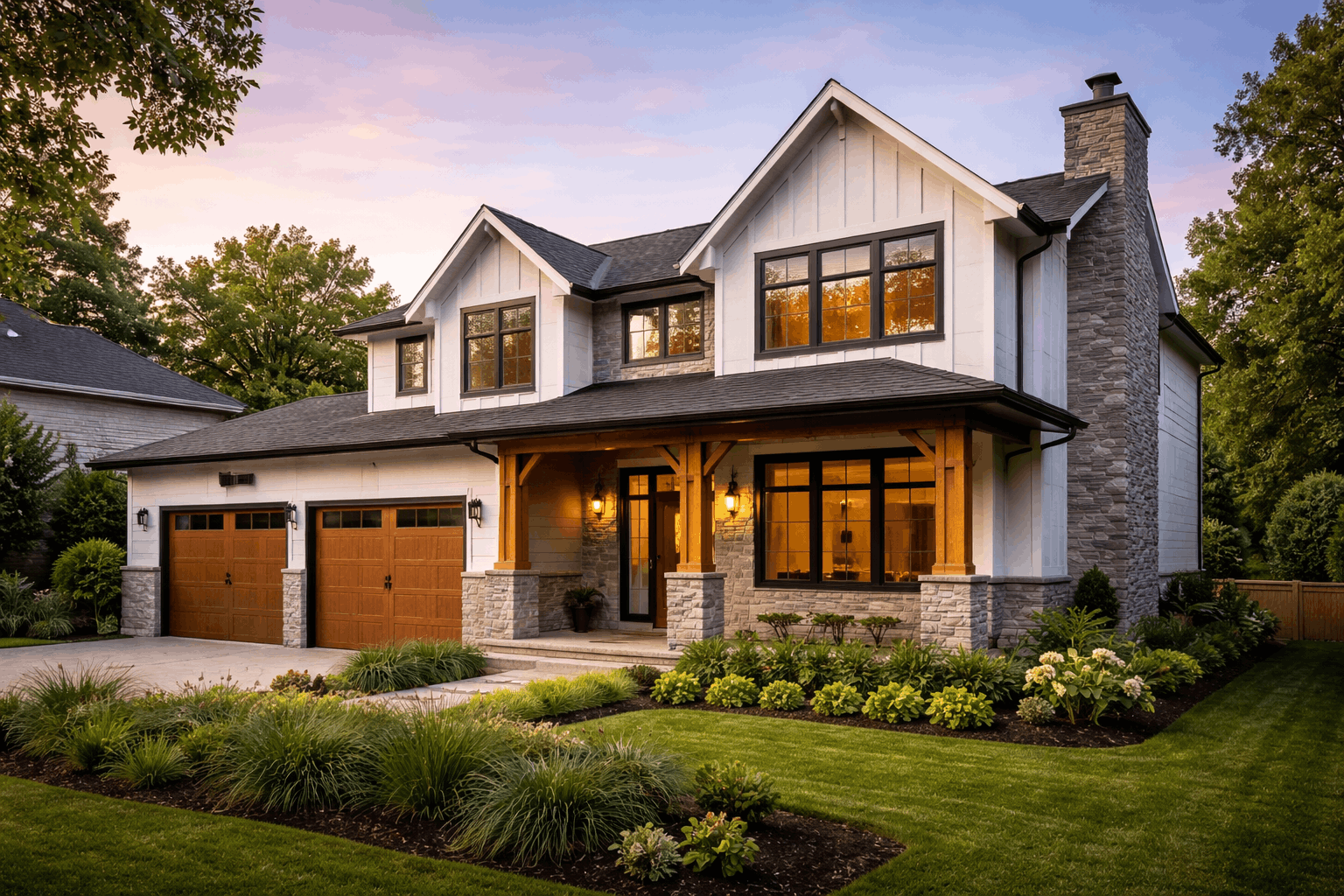
Residential Architecture in Hamilton: A Complete Planning Guide
Introduction
Residential architecture in Hamilton is evolving as homeowners look for smarter, more functional living spaces. Whether it’s building a new home, renovating an existing property, or adding extra units, the focus is no longer just on design—it’s on usability, compliance, and long-term value. Many projects face delays or redesigns because planning decisions are made without fully understanding local regulations or real-world construction challenges. By understanding how residential architecture works in Hamilton, you can make informed choices that reduce risks and create a home that performs well over time.
What is Residential Architecture?
Residential architecture refers to the planning and design of living spaces such as houses, duplexes, and multi-unit properties. It includes:
- Layout planning
- Structural design
- Space utilization
- Integration of utilities
- Compliance with building codes
In Hamilton, residential architecture must align with zoning bylaws and the Ontario Building Code, which directly influence what can be built and how spaces are designed.
Why Residential Architecture Matters
1. Functionality
A well-designed home is not just visually appealing—it supports everyday living. Proper layouts improve movement, comfort, and usability.
2. Compliance
Architectural planning ensures your project meets legal requirements, helping avoid permit issues or construction delays.
3. Cost Efficiency
Planning decisions made early can prevent expensive changes during construction.
4. Long-Term Value
Homes designed with proper architecture maintain better resale value and require fewer modifications over time.
Types of Residential Architecture in Hamilton
Single-Family Homes
These are traditional standalone homes designed for individual families, focusing on comfort and privacy.
Duplex and Multi-Unit Homes
With increasing demand for rental income, many homeowners are converting properties into duplexes or triplexes.
Custom Homes
Custom-designed homes allow flexibility in layout, materials, and design style based on personal preferences.
Renovation and Additions
Updating or expanding existing homes requires careful planning to ensure structural safety and compliance.
Step-by-Step Guide to Planning a Residential Project
Step 1: Define Your Needs
Start by identifying how the space will be used—family living, rental income, or mixed purposes.
Step 2: Evaluate Property Constraints
Check zoning rules, lot size, and building limitations specific to Hamilton.
Step 3: Plan the Layout
Focus on creating practical spaces that suit your daily lifestyle.
Step 4: Align with Building Codes
Ensure designs meet safety and structural requirements.
Step 5: Prepare Detailed Drawings
Accurate drawings are essential for permits and construction clarity.
Best Practices for Residential Architecture
- Design spaces with future needs in mind
- Maximize natural light and ventilation
- Keep layouts simple and functional
- Use durable materials suitable for local conditions
- Ensure coordination between design and construction
These practices help create homes that are comfortable and efficient.
Common Mistakes to Avoid
Ignoring Zoning Rules
Many projects fail because homeowners assume they can build without checking local regulations.
Overcomplicating Design
Complex layouts can increase costs and reduce usability.
Poor Space Planning
Inefficient use of space leads to discomfort and wasted areas.
Skipping Professional Guidance
Lack of expert input often results in errors that delay approvals.
FAQs About Residential Architecture in Hamilton
Do I need architectural plans for renovations?
Yes, especially if structural changes or layout modifications are involved.
How long does the planning process take?
It depends on project complexity and approval requirements.
Can I convert my home into a multi-unit property?
It depends on zoning and compliance with building regulations.
Is residential architecture expensive?
Costs vary, but good planning helps reduce long-term expenses.
Why is compliance important?
It ensures safety and avoids legal or financial issues.
Conclusion
Residential architecture in Hamilton is about more than design—it’s about creating spaces that are functional, compliant, and built for long-term use. Whether you are building, renovating, or converting a property, thoughtful planning helps you avoid delays and achieve better results. By focusing on practical design and understanding local requirements, you can create a home that meets your needs today and adapts to the future.