
Modern Architecture in Hamilton: Trends & Practical Guide
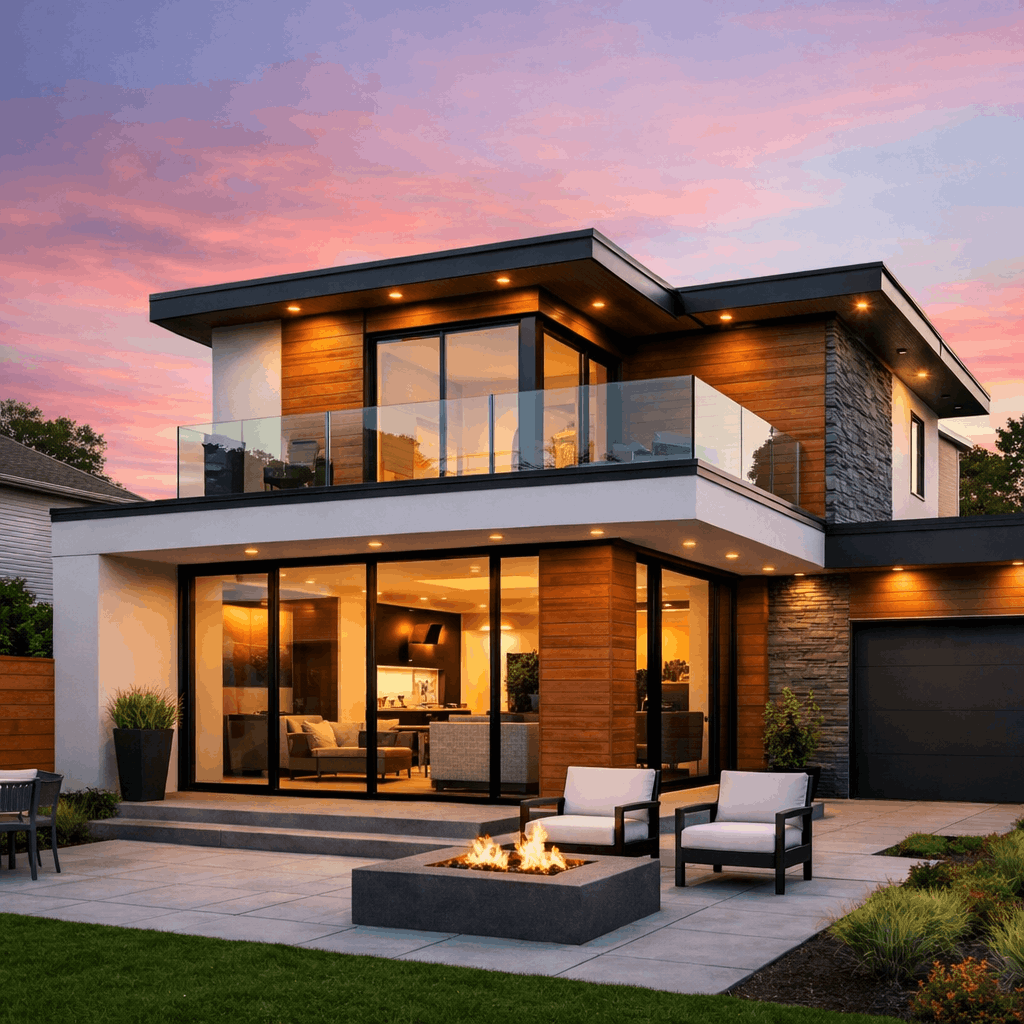
Modern Architecture in Hamilton: Trends, Benefits, and Practical Insights
Introduction
Modern architecture in Hamilton is evolving rapidly as the city grows and adapts to new residential and commercial needs. Homeowners, investors, and developers are no longer focused only on appearance—they want buildings that are efficient, compliant, and designed for real-life use. From compact urban homes to mixed-use developments, modern architectural thinking is shaping how spaces are planned and built. Understanding these trends helps you make better decisions, avoid costly mistakes, and ensure your project aligns with both functionality and local regulations.
What Defines Modern Architecture in Hamilton?
Modern architecture is not just about sleek designs or minimal aesthetics. It is a design approach that focuses on:
- Clean, simple forms
- Efficient use of space
- Integration of natural light
- Practical layouts for everyday living
In Hamilton, modern architecture also reflects local conditions such as climate, zoning requirements, and urban density. This means designs must balance creativity with compliance and usability.
Why Modern Architecture Matters Today
1. Space Optimization
Urban growth has increased the need for smarter layouts. Modern architecture focuses on maximizing usable space without overcrowding.
2. Energy Efficiency
Buildings are now designed to reduce energy consumption through better insulation, ventilation, and natural lighting.
3. Compliance with Building Standards
Modern designs are often aligned with updated building codes, making approvals smoother and construction safer.
4. Adaptability
Modern spaces are designed to adapt over time, whether for growing families or changing business needs.
Key Trends in Modern Architecture in Hamilton
Open-Concept Living
Open layouts combine living, dining, and kitchen areas to create flexible and spacious interiors.
Sustainable Materials
There is increasing use of eco-friendly materials that improve durability and reduce environmental impact.
Multi-Unit Developments
Duplexes, triplexes, and secondary units are becoming more common as property owners maximize land use.
Indoor-Outdoor Integration
Designs often include large windows, patios, and outdoor spaces that connect interior living with the environment.
Step-by-Step Guide to Planning a Modern Architectural Project
Step 1: Define Your Goals
Understand whether your project is for personal use, rental income, or commercial purposes.
Step 2: Evaluate the Site
Analyze the land, surrounding structures, and zoning requirements in Hamilton.
Step 3: Develop a Practical Layout
Focus on functionality, not just appearance. Ensure spaces are usable and efficient.
Step 4: Align with Regulations
Check building codes and local bylaws early to avoid delays.
Step 5: Prepare Detailed Plans
Create clear drawings that guide construction and support permit approval.
Best Practices for Modern Architecture
- Keep designs simple and purposeful
- Prioritize natural lighting and airflow
- Use durable, low-maintenance materials
- Plan for future modifications
- Ensure coordination between design and structure
These practices help create buildings that are both attractive and practical.
Common Mistakes to Avoid
Overlooking Functionality
Designing for appearance without considering daily use can lead to inefficient spaces.
Ignoring Regulations
Failure to comply with zoning or building codes can delay or stop projects.
Overcomplicating Designs
Complex layouts increase construction costs and reduce usability.
Poor Planning
Lack of clear planning often results in redesigns and budget overruns.
FAQs About Modern Architecture in Hamilton
What makes architecture “modern”?
Modern architecture focuses on simplicity, functionality, and efficient use of space.
Is modern architecture suitable for small properties?
Yes, it is particularly effective for maximizing space in smaller areas.
Does modern design cost more?
Costs depend on materials and complexity, but efficient designs can reduce long-term expenses.
Can modern architecture improve property value?
Well-designed modern buildings often attract buyers and increase resale value.
Do modern buildings require special permits?
All construction must follow local regulations and permit requirements.
Conclusion
Modern architecture in Hamilton is about creating spaces that are practical, efficient, and aligned with today’s needs. By focusing on functionality, compliance, and smart design, property owners can build structures that perform well over time. Whether you are planning a new project or upgrading an existing space, understanding modern architectural principles will help you make informed decisions and achieve better results.