
Building Permits Oakville: Guide for Homeowners
Building Permits Oakville: Guide for Homeowners and Contractors
Planning a renovation or a new build in Oakville? Whether you are a homeowner looking to upgrade your living space or a contractor managing a project, navigating the building permit process is the critical first step.
While paperwork can feel like a hurdle, a building permit ensures your project meets the Ontario Building Code, adheres to local zoning by-laws, and guarantees the safety of the structure.
This guide breaks down the Oakville building permit process into actionable steps to help you get your project approved and completed without legal headaches.
1. Do You Actually Need a Permit?
One of the most common misconceptions is that permits are only for new houses. In Oakville, many smaller renovations require municipal approval.
Projects That REQUIRE a Permit:
-
Additions: Any expansion of the building’s footprint (including sunrooms).
-
Structural Alterations: Removing load-bearing walls or adding new openings for windows/doors.
-
Basements: Finishing a basement or creating a secondary suite (legal apartment).
-
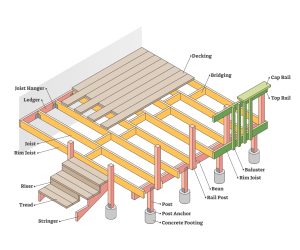
Decks: If the deck is more than 24 inches (60 cm) above ground or has a roof.
-
Plumbing: Installing new plumbing or altering existing systems.
-
Accessory Structures: Sheds or garages larger than 10 square meters (108 sq. ft.).
-
Pools: Installing an in-ground or above-ground pool (requires a pool enclosure permit).
Projects That Usually DO NOT Need a Permit:
-
Painting, patching, or decorating.
-
Replacing kitchen cabinets (unless moving plumbing/electrical).
-
Re-shingling a roof (without structural work).
-
Replacing windows/doors of the same size.
-
Fences (though they must comply with the Fence By-law).
Important Note: Even if a building permit isn’t required, you must still comply with the Town of Oakville Zoning By-law. Always check setbacks and height restrictions before building.
2. The “Pre-Application” Checklist
Before you log in to the portal, you need to gather your documentation. A complete application is the fastest way to get approved. Missing documents are the #1 cause of delays.
-
Surveys and Site Plans: You need a current survey showing property lines, existing structures, and proposed changes.
-
Architectural Drawings: Floor plans, elevations, and cross-sections. For complex projects, these must be stamped by a qualified designer (BCIN holder), architect, or professional engineer.
-
Tree Protection: Oakville has strict rules regarding tree preservation. If your construction is near town trees or private trees of a certain size, you may need a specialized tree permit or hoarding plan.
-
Heritage Status: Is your property on the Oakville Heritage Register? If so, you will need a Heritage Permit before you can apply for a building permit.
3. How to Apply: The Online Process
The Town of Oakville has modernized its system. You generally do not need to visit Town Hall in person for standard applications.
-
Step 1: Create an account on the Oakville Online Services portal.
-
Step 2: Select the correct permit type (e.g., Residential, Demolition, Pool Enclosure).
-
Step 3: Upload your digital drawings and documents (PDF format is standard).
-
Step 4: Pay the application fee online.
Permit Fees
Fees vary based on the scope of work (usually calculated by square footage or a flat fee for specific items).
-
Example: A flat fee usually applies to decks or finished basements, whereas new construction is calculated per square foot/meter.
-
Tip: Check the current “Rates and Fees” schedule on the official Town website for this year’s pricing.
4. The Inspection Process
Obtaining the paper permit is only half the battle. You must close the permit through inspections.
-
Who calls for inspection? It is the responsibility of the permit holder (either the homeowner or the contractor) to request inspections.
-
When to call: You typically need to book inspections at specific milestones (e.g., before pouring concrete, before covering framing/insulation, and final occupancy).
-
Booking: Inspections in Oakville can usually be scheduled online or via the automated telephone system.

5. Contractor vs. Homeowner: Who is Liable?
If you are a homeowner hiring a contractor, have a frank conversation about who is applying for the permit.
| Scenario | Implication |
| Contractor Applies | The contractor is the agent. They handle the paperwork and coordinate with the city. This is usually preferred for minimizing homeowner stress. |
| Homeowner Applies | The homeowner is legally responsible. If the contractor does non-compliant work, the city holds you accountable. |
Warning: Never hire a contractor who suggests “skipping the permit to save money.” This exposes you to stop-work orders, fines, and insurance denials in the event of an accident or fire.
6. Fast Track Services
For simple residential projects, Oakville offers a Fast Track service. This is designed for projects like:
-
Decks and porches.
-
Accessory structures (sheds/gazebos).
-
Basement renovations (without structural changes).
-
Pool enclosures.